
Commercial Enterprise
Enterprise Network Segmentation with Zero Trust Microsegmentation
Elisity helps enterprises contain lateral movement across users, devices and workloads, including those running AI agents. Build policy from identity and risk context, simulate changes against observed traffic, and enforce least-privilege access through supported network infrastructure.
Challenges
Enterprise organizations with complex physical and digital infrastructures struggle to secure diverse networks, prevent lateral movement attacks, and maintain operational continuity while meeting compliance requirements. Traditional zero trust microsegmentation and network segmentation approaches often create more problems than they solve.
Network Segmentation Without Compromise
Expanded Attack Surface
Digital transformation initiatives have connected previously isolated operational systems with enterprise networks, creating an expanded attack surface where a single compromised endpoint can lead to widespread disruption.
Diverse Device Ecosystem
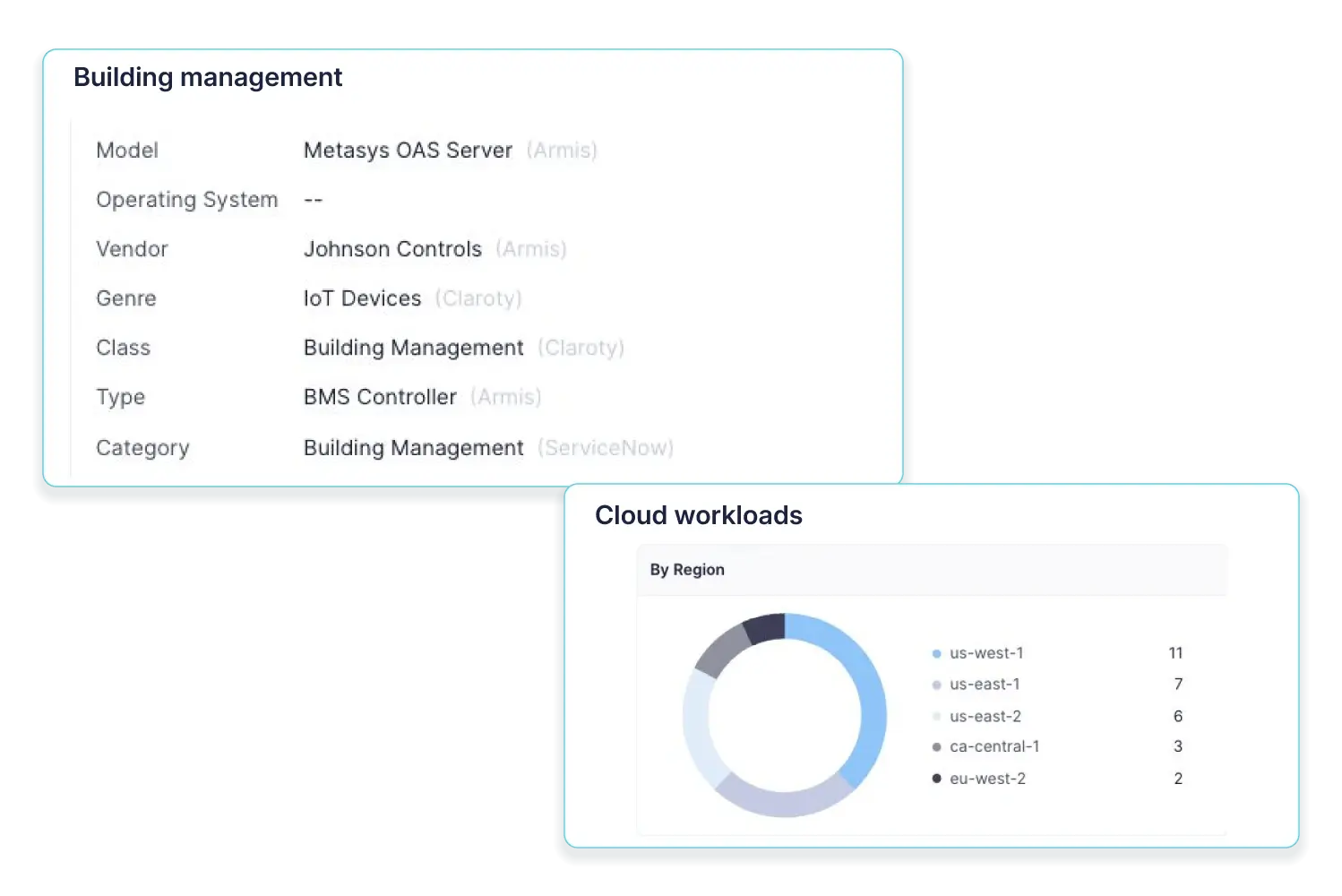
Modern enterprises manage an increasingly diverse ecosystem of devices—from operational systems to IoT sensors to employee devices—many of which cannot be secured with traditional endpoint protection solutions.
Operational Continuity Requirements
Organizations cannot tolerate the downtime or disruption that traditional security implementations often require, creating resistance to implementing proper security controls.
Compliance Complexity
Meeting regulatory requirements across different business units becomes increasingly challenging with traditional network segmentation approaches that rely on complex VLAN configurations and hardware deployments.
Stop East-West Attacks, Microsegment Your Networks
Resources
Elisity Microsegmentation: Accelerate Zero Trust Security in Weeks, Not Years
Enterprise Network Segmentation FAQ
Elisity programs identity-based policy into supported network infrastructure. Virtual Edge operates outside the data path, and protected devices do not need an Elisity endpoint agent. Check the current hardware and software compatibility guidance before planning a deployment.
Use simulation to assess a proposed policy against observed traffic. Administrators review the results, refine access and decide which policies move to enforcement. Simulation supports review; it does not guarantee that a change cannot affect operations.
Elisity applies network access policy to the device or workload running an AI agent, whether that host is an employee computer or a workload in a supported environment. Enforcement takes place through the network, outside the agent’s runtime. Additional service-account and machine-credential identity support is in development.
Resources

How to Protect Systems That Can’t Be Upgraded to Post-Quantum Cryptography

Cybersecurity Budget 2027: Benchmarks, Priorities and Business Case